


Zverev Beats Khachanov 3-0 in US Open Semifinal, One Win Away from the Title

12/09/2026 11:00:00 NeNaZavode
In the early hours of September 12 Beijing time, the 2026 US Open men's singles semifinal concluded, with top seed Alexander Zverev defeating Karen Khachanov 3-0 to secure the first place in the final. The score looked decisive, but the match was far from easy. The three sets ended 6-3, 9-7 in the tiebreak, and 8-6 in the tiebreak. Khachanov pushed the match into two tiebreaks and had clear chances in both, but Zverev held on through his handling of crucial points.
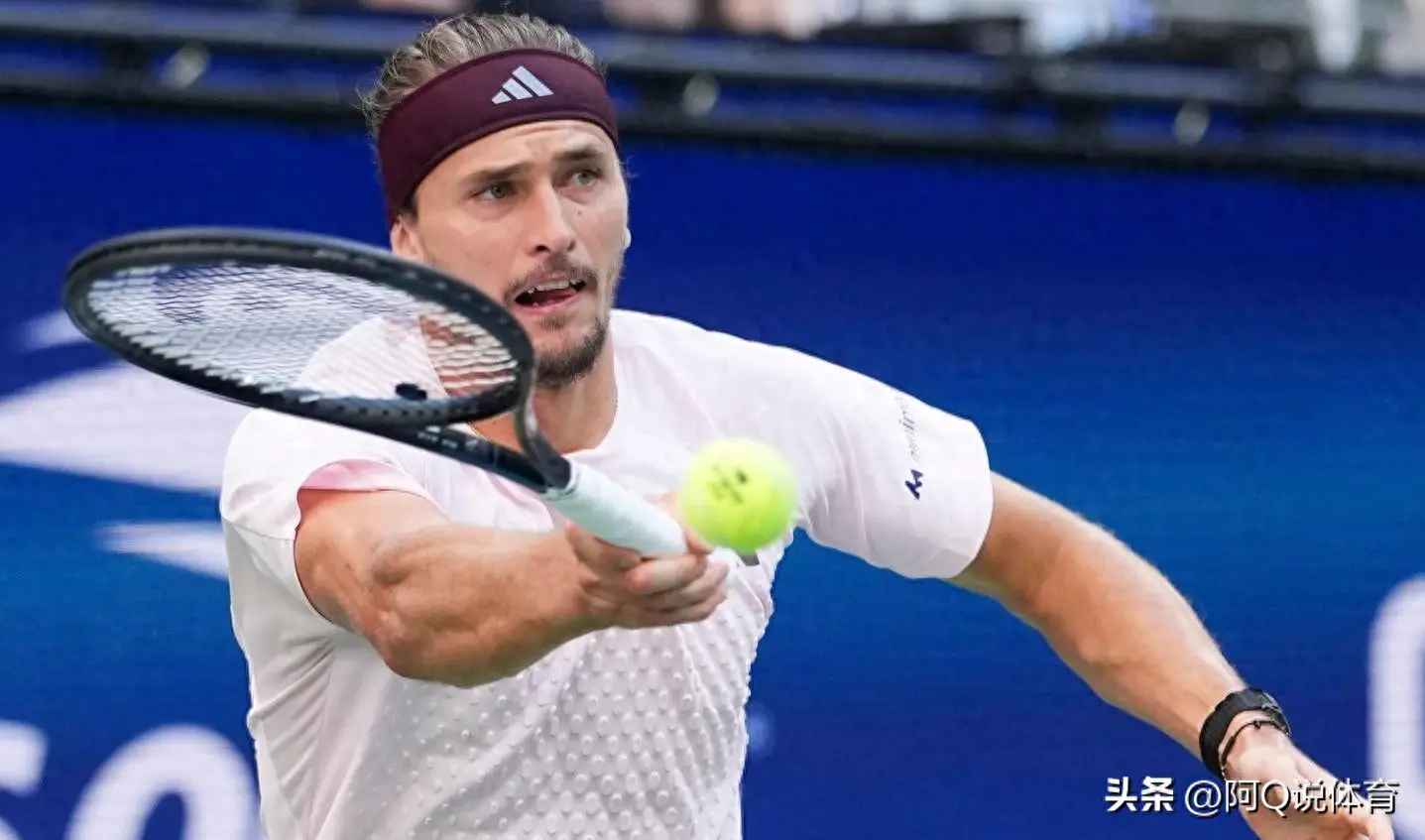
Image source: online
The first eight games of the opening set saw neither player offer a break point, and the contest remained level until the ninth game. Zverev suddenly increased his pace, took advantage of Khachanov's serving struggles to break, then held his serve to close out the set 6-3. The set lasted less than 40 minutes, with a fast rhythm, and Zverev gave his opponent little room to settle in.
The second set brought more changes. Zverev broke serve at the start, but Khachanov quickly recovered the break and even moved ahead at one stage. Both players continued to hold serve, reaching 6-6 after 12 games. In the tiebreak, Zverev did not lose composure after giving up his lead and won 9-7 to take a 2-0 advantage overall.
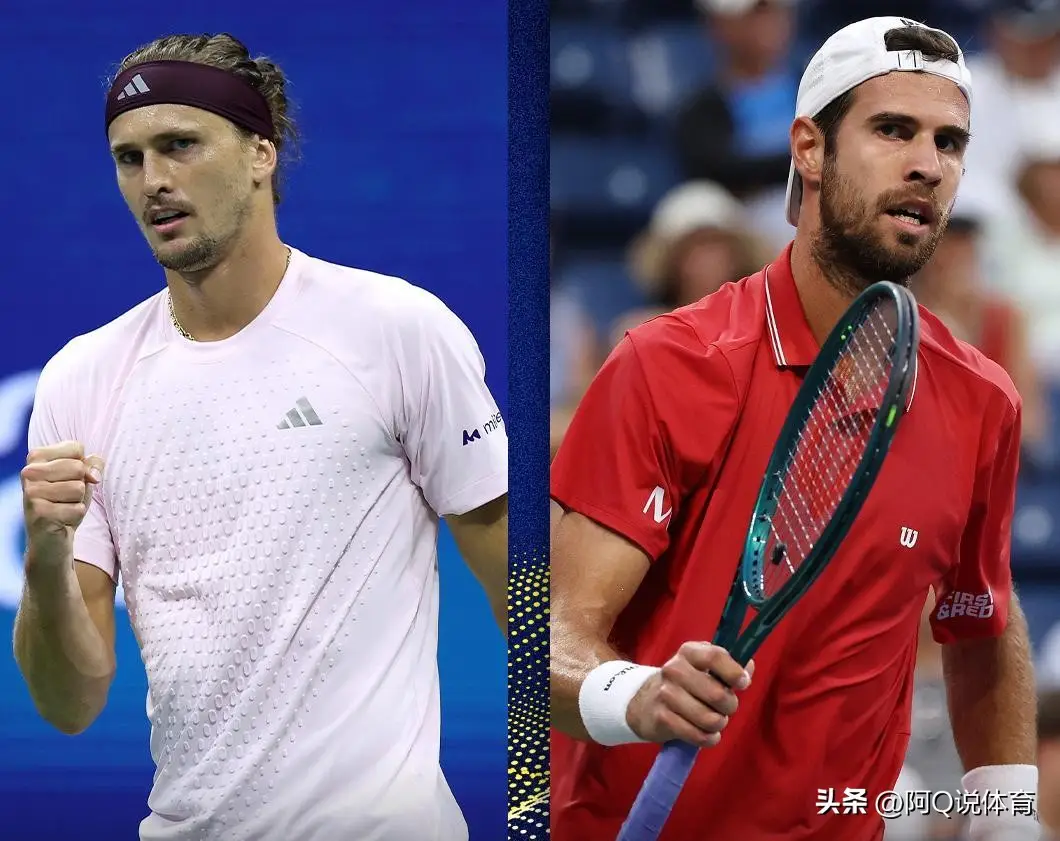
Image source: online
The third set carried even more suspense. The first eight games ended level at 4-4, and after Zverev held serve in the ninth game, he put pressure back on Khachanov. Khachanov resisted, and the match entered another tiebreak. He led 4-1 at one point and later earned a set point at 6-4, standing just one point away from forcing a fourth set. However, Zverev fought back to level the score, then won the next two points to finish the match 8-6. Khachanov had his opportunities, but at the most important moments Zverev consistently played the steadier shots. This semifinal victory was about more than skill; it was also about match control under pressure.
Read more
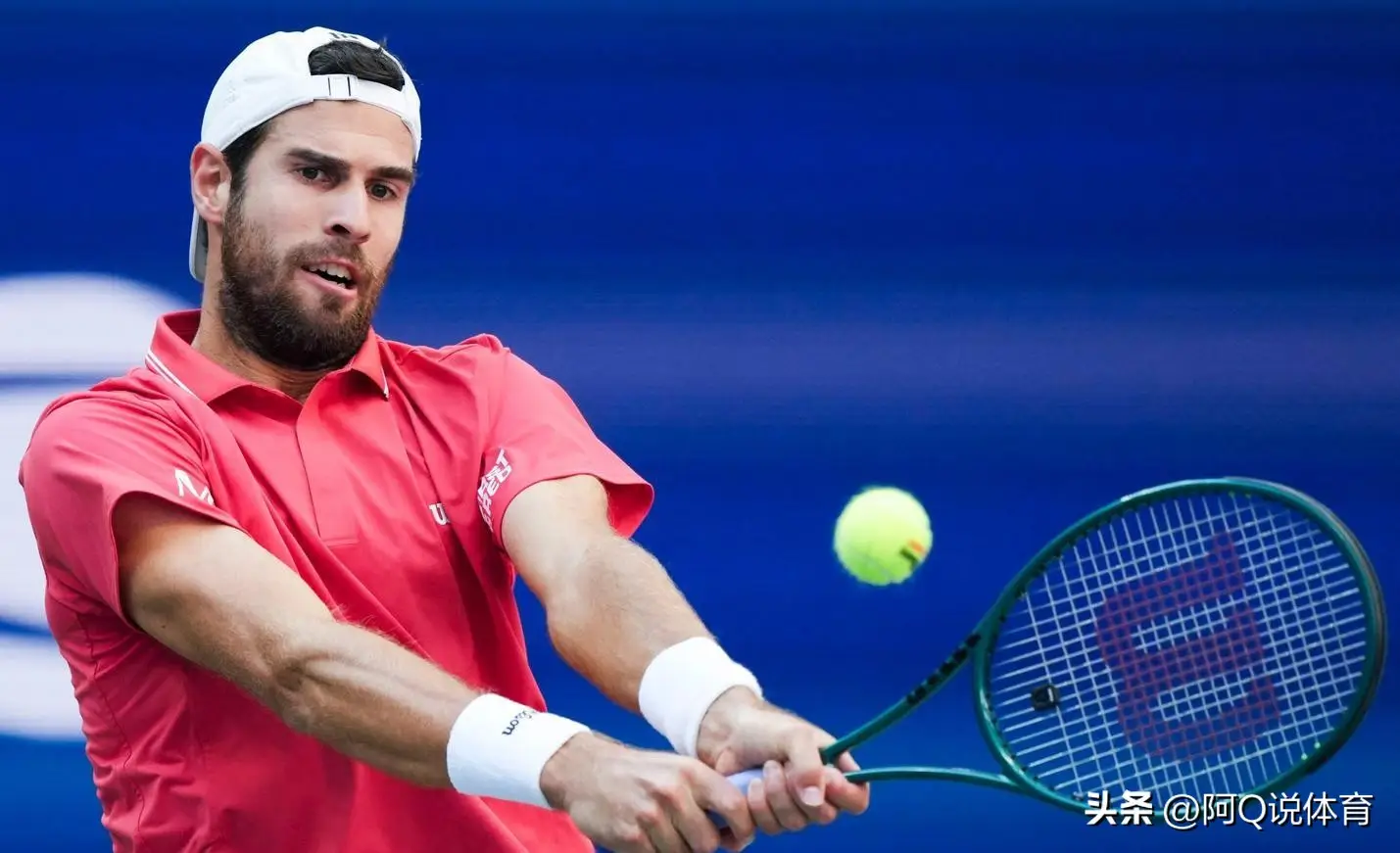
Image source: online
This victory marked a clear turning point for Zverev. In the first two rounds of the US Open, he went through consecutive five-set battles, with matches even extending into the early morning and becoming dangerous at times. After such a difficult start from the top seed, few expected him to later advance through three straight 3-0 victories. From the third round onward, Zverev gradually stabilized his form, and against opponents such as Alejandro Tabilo, he left little suspense. After the consecutive straight-set wins, he changed from a player fighting to keep his hopes alive into the most consistent player in the men's draw so far.
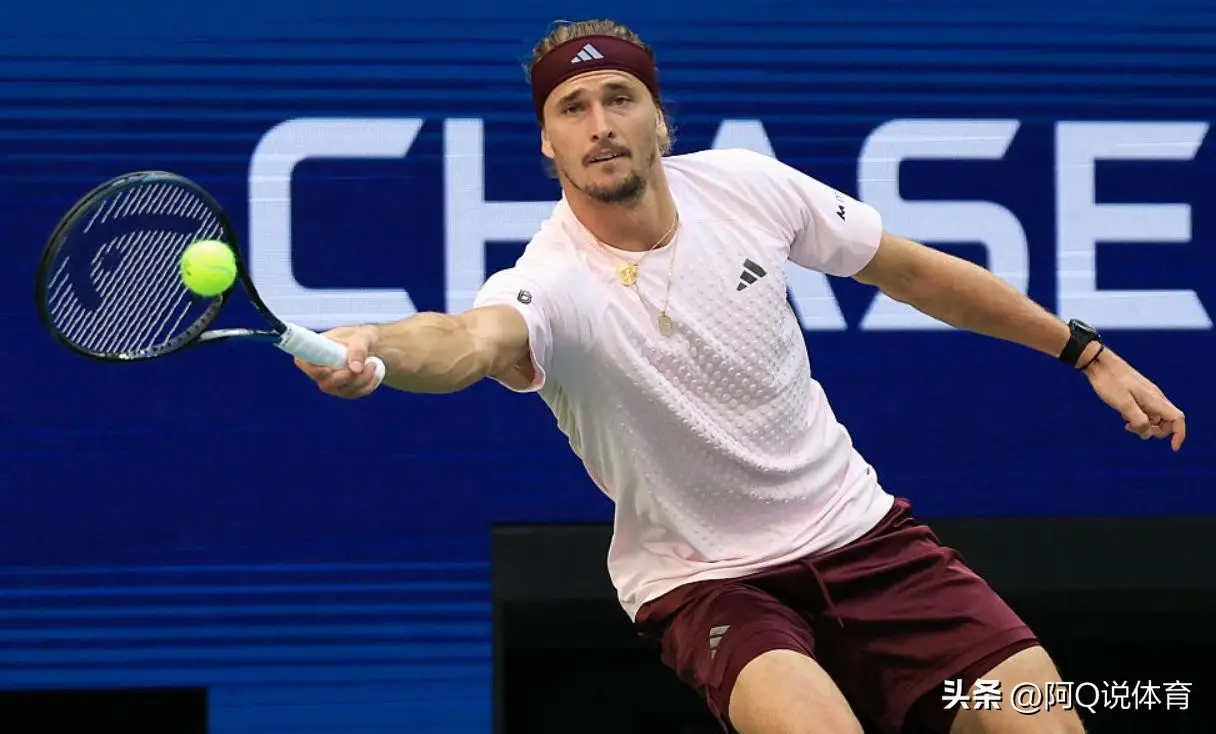
Image source: online
The competitive landscape of this year's men's tournament has also created more room for Zverev. Jannik Sinner missed the event due to injury, while defending champion Carlos Alcaraz lost to Shelton and exited the title race early. With two widely expected contenders no longer in contention, the top seed naturally became the focus. However, being the top seed does not mean an easy path, and Zverev's five-set struggles in the opening rounds were a reminder. A Grand Slam requires seven matches, and fluctuations in form, physical demands, and key-point execution can all send favorites out early. Zverev reached the final because he adjusted in time, not because he dominated everyone from the beginning.
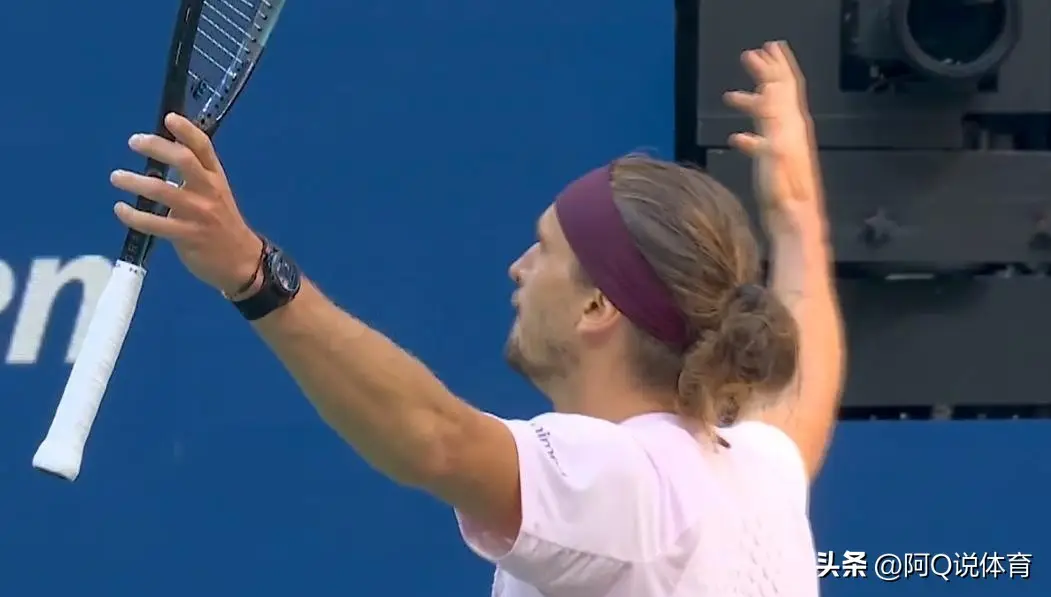
Image source: online
Khachanov also showed his value during this run. He was not highly ranked and was not a seeded player, but he defeated players including Arthur Rinderknech along the way. Against Brooksby, his opponent retired during the match, and Khachanov eventually returned to the US Open semifinals after four years. Reaching the semifinal stage was already a significant achievement, and without too much psychological burden against the top seed, he was able to play more aggressive tennis.
The two players had met nine times before, with Zverev leading 6-3. Their most recent meeting came at last year's Cincinnati Masters. Both the paper strength and head-to-head record favored Zverev, but tennis matches are never decided only by rankings. Khachanov's ability to push the semifinal into two tiebreaks showed that the gap between them was not as simple as the score suggested. Zverev now needs only one more match. By reaching the final, he is guaranteed at least $2.8 million, around 19 million yuan, and the champion will earn $5.5 million. The money matters, but the bigger significance is that he is one victory away from his second Grand Slam title.
Who will stand across from him in the final? Will the pressure of the championship match bring the top seed back to the level he showed in the first two rounds? With Sinner and Alcaraz absent, does that mean Zverev is already secure? It is too early to draw that conclusion. He has won three consecutive 3-0 matches and is clearly improving, but the final opponent, physical condition, and mental pressure will all create a new challenge. Whether Zverev can carry the stability he showed in the two semifinal tiebreaks into the final will be the key factor in deciding the champion.

 Links
Links
 Contact